Mind Honey Pro Official Website › Cognitive supplement guide
Cognitive supplement guideThe Cognitive Supplement Guide
Four families make up almost every cognition capsule on the shelf.
B vitamins, whose yardstick is a settled requirement. The nitric-oxide amino acids, whose huge literature is mostly vascular. Beta-alanine, whose cognition work is small and recent. And the mineral rows that are doing a manufacturing job.
A category guide written to be used on any label, with the dose beside every claim.
What people are actually trying to fix
What the complaint usually is, and the three versions of it that are not.
The complaint that sends someone to this shelf is rarely dramatic. A name that will not come in the middle of a sentence. A second trip upstairs for the thing the first trip was for. A paragraph read twice because the first pass did not land.
Most of that is ordinary and most of it is attention rather than memory. Attention narrows when sleep is short, when a week is loud, when there is more to hold than there used to be, and it narrows in a way that feels exactly like forgetting.
There is a second group of causes that matters more and gets looked at less. Hearing loss makes conversation effortful and effort looks like forgetfulness. Thyroid function, blood pressure, alcohol and several common medicines do the same. The National Center for Complementary and Integrative Health puts the sensible order plainly: talk to the person who already knows what else you take before you add something to it.
A change that came on quickly, a change other people have noticed, and a change that is getting worse. Any of those is an appointment rather than a purchase, and no capsule on this shelf is an answer to them.
The four families this shelf is built from
Four families, one of which is on this shelf for reasons worth examining.
| Family | Typical members | Where the human evidence sits |
|---|---|---|
| Botanicals | Bacopa monnieri, ginkgo biloba, lion’s mane, panax ginseng | The largest body of cognition-specific trial work on this shelf, and the most variable in quality |
| B vitamins | Niacin, B6, B12, folate | Strong on adequacy: a shortage shows up in the nervous system. Weak on enhancement in people who are already replete |
| Nitric-oxide amino acids | L-arginine, arginine AKG, L-citrulline | Large, and mostly vascular or ergogenic. One randomised cognition trial, a pilot |
| Carnosine precursors | Beta-alanine, carnosine itself | Small but genuinely interesting, and dosed in grams in every study that found anything |
Four families, and the third is the one whose reputation on this shelf is borrowed rather than earned.
Most of the money on this shelf is in the first family and most of the interesting recent work is in the last one. The third is where labels get confusing, because its literature is enormous and almost none of it is about memory.
Niacin and the B vitamins: adequacy, not enhancement
The one family on this shelf whose yardstick is settled, and how to use it.
Niacin is vitamin B3 and the body converts it into the two coenzymes that carry electrons through energy metabolism. Every cell uses them and nervous tissue shows a shortage early, which is the whole of the mechanism and the whole of the honest claim.
The Institute of Medicine chapter sets the adult requirement at 16 mg NE a day for men and 14 for women, with a tolerable upper intake of 35 mg a day set on flushing. Those three numbers are the yardstick for any niacin row on any label, and they are unusual on this shelf in being settled.
The cognition research is weaker than the adequacy research and it is important to say which is which. The Chicago Health and Aging Project analysis followed thousands of older adults and compared quintiles of niacin from FOOD. It is observational, it is about diet, and it is not a trial of a supplement. A 2025 observational study of B-vitamin intake reaches a similar kind of conclusion with similar limits, and the MedlinePlus entry on niacin is the plain-language version of the same position.
- Compare it with the requirement, not with zero. A row at 40 per cent of a day is a real contribution; a row at 2 per cent is a rounding error.
- Check the ceiling. Niacin has a 35 mg upper intake level and a label well under it has nothing to explain.
- Ask whether you are short. Someone eating adequately gains little from more, and someone eating less than they used to gains the gap.
- Do not let an observational diet study become a trial in your head. It is the commonest error in this whole category.
Arginine, citrulline and the blood-flow story
Where the amino acids on a memory label came from, and what their trials weighed.
Arginine is the amino acid the body builds nitric oxide from, and nitric oxide relaxes blood vessels. That single sentence is why five amino acids appear on cognition labels all over this shelf, and the rest of this section is about how far it actually carries.
Taken by mouth, arginine is heavily metabolised in the gut wall and the liver before it reaches the circulation, which is why trial protocols reach for grams. The head-to-head pharmacokinetic study found citrulline the more reliable route to the same end, and it still took 3 g twice daily to raise trough plasma arginine. The dose-ranging study worked with single doses of 2 to 15 g.
The vascular results are real and they are conditional. A meta-analysis of short-term oral arginine found the effect on flow-mediated dilation concentrated in people whose baseline was low. A 2018 systematic review reached a similar conclusion in patients with cardiovascular or metabolic disease, and a 2021 meta-analysis set arginine against ordinary tree nuts, which is a useful sense of scale.
The cognition evidence is one trial. A 2026 randomised, placebo-controlled pilot gave 6.4 g of oral L-arginine a day for 30 days; 38 were randomised and 35 finished, with sixteen in the arginine arm. It is a pilot, its authors call it one, and it is the only randomised cognition trial on oral arginine this guide could find. A 2026 study of arginine metabolites in small-vessel disease is a different kind of paper about the same neighbourhood.
The ten trials pooled in a 2019 meta-analysis ran between 1.5 and 5 g a day. The smallest citrulline dose with any published human result is 1.5 g a day for a month. A 2026 trial used 3 g a day for twelve weeks and a 2025 trial used 6 g a day for four weeks. Nothing in that literature is a milligram-scale finding, and a label carrying a few hundred milligrams is not a small version of any of it.
The blood-flow hypothesis, tested directly
One hypothesis, stated by its own researchers, and the trial that went looking.
The step from “nitric oxide relaxes blood vessels” to “so this capsule improves thinking” has a name in the literature, and the people who work on it are candid that it is a hypothesis.
A 2024 review states it plainly: the nitric-oxide-dependent neurovascular coupling hypothesis, which is the proposal that raising nitric oxide availability improves the local blood-flow response that supports neural activity.
It has been tested. A 13-week randomised pilot gave overweight and obese older adults incremental doses of nitrate-rich beetroot juice and measured both cognitive function and cerebral blood flow. Neither was modified. A 2026 pilot in older adults with metabolic syndrome is the most recent attempt at the same question from a different angle.
Two things follow. A plausible mechanism is not a finding. And a route that produced no measurable change at trial doses is not more likely to at milligram ones.
Beta-alanine, carnosine and the most interesting small study on this shelf
A small, recent literature, reported at the size it actually is.
Beta-alanine is the rate-limiting half of carnosine, a dipeptide that accumulates in muscle and in brain tissue over weeks rather than hours. Its reputation is built on exercise performance, and the cognition work is recent, small and genuinely worth reading.
The International Society of Sports Nutrition position stand sets the working threshold at 4 to 6 g a day for four weeks. A trial comparing two protocols ran 6 g a day for four weeks against 12 g a day for two. A 2025 systematic review of dosing strategies covers the same ground for strength and power. Those are the amounts this compound is studied at.
The cognition work is a different literature. A ten-week imaging trial in 60-to-80-year-olds reported improved fractional anisotropy scores in the hippocampus and amygdala at 2.4 g a day — with six supplemented and four control participants analysed, which is ten people in total. A meta-analysis of histidine-containing dipeptides found an improvement in delayed recall and closed by asking for the doses to be standardised. The NEAT trial gave 2 g of carnosine daily for up to twelve weeks and reported better outcomes in its younger participants.
Set against that, a 2026 multilevel meta-analysis found no ergogenic effect on repeated sprint ability at all, and a 2023 review of the proposed brain mechanisms is a collection of arguments rather than a conclusion. A systematic risk assessment describes paraesthesia as the only reported effect, tied to single doses around 800 mg and above.
- The imaging trial is ten people. It is a reason to keep reading, not a reason to buy.
- Every positive finding here used grams. The ISSN threshold is 4 to 6 g a day.
- The paraesthesia warning belongs to doses in the hundreds of milligrams and above, so a label carrying tens of milligrams is not where that applies.
- A meta-analysis that found nothing is in this guide for the same reason the positive ones are.
Minerals, fillers and the rows that are doing another job
The rows that are on a panel for the factory rather than for the reader.
Not every row on a supplement panel is there to do something in the body. Calcium carbonate is the industry’s standard dry filler and flow agent, and it appears on labels at weights that have nothing to do with the calcium conversation.
The adult requirement is 1,000 to 1,200 mg a day, and the MedlinePlus entry on dietary calcium is the plain-language version. Supplement research is run at hundreds of milligrams: an absorption crossover trial in postmenopausal women is typical of the design. The two large cardiovascular meta-analyses, one of supplements generally and one restricted to randomised trials, are conversations about gram-scale products.
So a calcium row at eighteen or twenty milligrams is not a small version of that conversation. It is a different subject, and the honest reading is that the row is doing a manufacturing job. The same is true of silicon dioxide, magnesium or vegetable stearate, and of the capsule shell itself.
One practical rule comes out of this: count the rows that are actives before you count the rows on the panel.
What a memory label is allowed to say
Five label conventions, and what each is actually worth.
A dietary supplement in the United States may carry a structure or function claim and may not claim to treat or prevent a disease. That is why the language on this shelf is so uniform: supports memory, supports cognitive function, supports focus.
| What you will see | What it means | What it does not mean |
|---|---|---|
| “Supports memory and cognitive function” | A structure or function claim, carrying the federal disclaimer | That any trial of the finished product exists |
| A named ingredient with a milligram figure | A declaration the manufacturer is committed to | That the amount matches any published trial dose |
| A proprietary blend with one total | The total weight of several ingredients | That any individual amount can be checked against anything |
| A GMP or facility-registration mark | Something about the factory and its paperwork | An approval of the product, which no supplement has |
| A long money-back window | A commercial term the buyer can enforce | A statement about what the product does |
Five things on almost every label on this shelf, and the gap between what each one says and what it gets read as.
The second row is the valuable one: a printed milligram figure is the only thing on a label that can be checked against a published trial. The third row is why it matters, because a blend total tells a reader nothing about any component.
The arithmetic that decides most of these purchases
Six compounds, six trial doses, and the one-minute check they make possible.
Every section above ends in the same place: a number on a label set beside a number in a trial. Doing that comparison takes a minute and it is the single most useful thing anyone can do on this shelf.
| Compound | Smallest amount with a published human result | Where that comes from |
|---|---|---|
| Niacin | 16 mg NE a day is the adult male requirement; the ceiling is 35 mg | The Institute of Medicine reference intake chapter |
| L-arginine | 1.5 g a day at the bottom of the pooled range; 6.4 g in the one cognition pilot | A 2019 meta-analysis of ten trials, and a 2026 randomised pilot |
| Arginine AKG | 12 g a day in both published trials | A pharmacokinetic and safety study, and a blood-flow trial |
| L-citrulline | 1.5 g a day for a month; 3 g twice daily to lift trough arginine | A 2011 trial, and the head-to-head pharmacokinetic study |
| Beta-alanine | 2.4 g a day for ten weeks in the imaging trial; 4 to 6 g for the performance threshold | The imaging trial in older adults, and the ISSN position stand |
| Calcium | 1,000 to 1,200 mg a day is the adult requirement | The Institute of Medicine reference intake chapter |
Every figure was read out of that paper’s own abstract. They describe the trials, not any particular capsule.
Hold that table beside any label on this shelf and most of the marketing falls away. A row at a fraction of a per cent of its own trial dose is not a weak version of the trial; it is a different quantity of the same molecule, and the trial is silent about it.
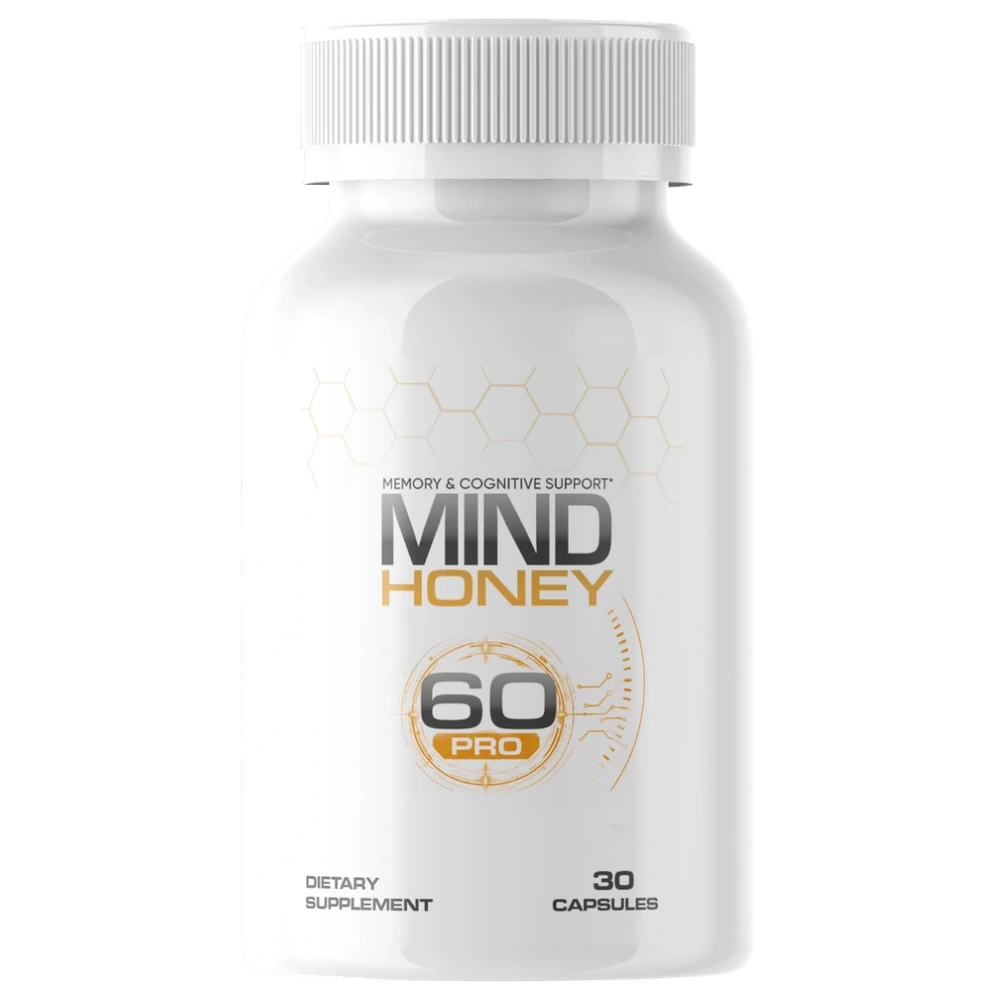
That is not a reason to buy nothing. It is a reason to know what you are buying, and to pay attention to the rows that are at real amounts. The Mind Honey Pro ingredients page runs this exact comparison on the bottle this website sells, row by row, including the five rows where it comes out badly.
Sources for this guide
Every study named above, in the order the guide introduces its family.
- Niacin. In: Dietary Reference Intakes for Thiamin, Riboflavin, Niacin, Vitamin B6, Folate, Vitamin B12, Pantothenic Acid, Biotin, and Choline. Institute of Medicine, National Academies Press. RDA 16 mg NE/day for men and 14 mg NE/day for women; Tolerable Upper Intake Level 35 mg/day, set on flushing. https://www.ncbi.nlm.nih.gov/books/NBK114304/
- Morris MC, Evans DA, Bienias JL, et al. Dietary niacin and the risk of incident Alzheimer's disease and of cognitive decline. J Neurol Neurosurg Psychiatry. 2004;75(8):1093-9. PMID 15258207. (Observational; niacin from FOOD across intake quintiles, not a supplement trial.) https://pubmed.ncbi.nlm.nih.gov/15258207/
- Chen Q, Huang J, Shi X, et al. Associations between dietary B vitamin intakes and cognitive function among elderly individuals: An observational study. Nutrition. 2025;134:112716. PMID 40056822. https://pubmed.ncbi.nlm.nih.gov/40056822/
- Niacin. MedlinePlus Medical Encyclopedia, U.S. National Library of Medicine. https://medlineplus.gov/ency/article/002409.htm
- Dietary Reference Intakes for Adequacy: Calcium and Vitamin D. In: Dietary Reference Intakes for Calcium and Vitamin D. Institute of Medicine, National Academies Press. Adult RDA 1,000-1,200 mg/day of calcium. https://www.ncbi.nlm.nih.gov/books/NBK56056/
- Vaisman N, Shaltiel G, Daniely M, et al. Increased calcium absorption from synthetic stable amorphous calcium carbonate: double-blind randomized crossover clinical trial in postmenopausal women. J Bone Miner Res. 2014;29(10):2203-9. PMID 24753014. https://pubmed.ncbi.nlm.nih.gov/24753014/
- Sim MG, Teo YN, Teo YH, et al. Association Between Calcium Supplementation and the Risk of Cardiovascular Disease and Stroke: A Systematic Review and Meta-Analysis. Heart Lung Circ. 2023;32(10):1230-1239. PMID 37743221. https://pubmed.ncbi.nlm.nih.gov/37743221/
- Huo X, Clarke R, Halsey J, et al. Calcium Supplements and Risk of CVD: A Meta-Analysis of Randomized Trials. Curr Dev Nutr. 2023;7(3):100046. PMID 37181938. https://pubmed.ncbi.nlm.nih.gov/37181938/
- Calcium in diet. MedlinePlus Medical Encyclopedia, U.S. National Library of Medicine. https://medlineplus.gov/ency/article/002412.htm
- Teotia S, Rana AK, Gupta V. Comparison of the Safety and Efficacy of Oral L-arginine for the Treatment of Cognitive Impairment in Older Adults: A Prospective, Randomized, Placebo-Controlled Pilot Study. Cureus. 2026;18(7):e112987. PMID 42621366. (Pilot; 38 randomised, 35 completed; 6.4 g/day for 30 days.) https://pubmed.ncbi.nlm.nih.gov/42621366/
- Rhim HC, Kim MS, Park YJ, et al. The Potential Role of Arginine Supplements on Erectile Dysfunction: A Systemic Review and Meta-Analysis. J Sex Med. 2019;16(2):223-234. PMID 30770070. (Ten randomised trials; 1,500-5,000 mg/day.) https://pubmed.ncbi.nlm.nih.gov/30770070/
- Bai Y, Sun L, Yang T, et al. Increase in fasting vascular endothelial function after short-term oral L-arginine is effective when baseline flow-mediated dilation is low: a meta-analysis of randomized controlled trials. Am J Clin Nutr. 2009;89(1):77-84. PMID 19056561. https://pubmed.ncbi.nlm.nih.gov/19056561/
- Rodrigues-Krause J, Krause M, Rocha IMGD, et al. Association of l-Arginine Supplementation with Markers of Endothelial Function in Patients with Cardiovascular or Metabolic Disorders: A Systematic Review and Meta-Analysis. Nutrients. 2018;11(1):15. PMID 30577559. https://pubmed.ncbi.nlm.nih.gov/30577559/
- Smeets ETHC, Mensink RP, Joris PJ. Effects of tree nut and groundnut consumption compared with those of l-arginine supplementation on fasting and postprandial flow-mediated vasodilation: Meta-analysis of human randomized controlled trials. Clin Nutr. 2021;40(4):1699-1710. PMID 32980186. https://pubmed.ncbi.nlm.nih.gov/32980186/
- Dobrynina L, Byrochkina A, Shamtieva K, et al. L-Arginine and Its Metabolites in Age-Related Cerebral Small Vessel Disease with Cognitive Impairment. Biomolecules. 2026;16(6). PMID 42352381. https://pubmed.ncbi.nlm.nih.gov/42352381/
- Schwedhelm E, Maas R, Freese R, et al. Pharmacokinetic and pharmacodynamic properties of oral L-citrulline and L-arginine: impact on nitric oxide metabolism. Br J Clin Pharmacol. 2008;65(1):51-9. PMID 17662090. (Twenty volunteers; 3 g citrulline twice daily was the regimen that raised trough plasma arginine.) https://pubmed.ncbi.nlm.nih.gov/17662090/
- Moinard C, Nicolis I, Neveux N, et al. Dose-ranging effects of citrulline administration on plasma amino acids and hormonal patterns in healthy subjects: the Citrudose pharmacokinetic study. Br J Nutr. 2008;99(4):855-62. PMID 17953788. (Single doses of 2, 5, 10 and 15 g.) https://pubmed.ncbi.nlm.nih.gov/17953788/
- Cormio L, De Siati M, Lorusso F, et al. Oral L-citrulline supplementation improves erection hardness in men with mild erectile dysfunction. Urology. 2011;77(1):119-22. PMID 21195829. (1.5 g/day for one month; the authors call it less effective than a PDE5 inhibitor.) https://pubmed.ncbi.nlm.nih.gov/21195829/
- Nogimura D, Nagaoka K, Ogino K, et al. Vascular effects of l-citrulline supplementation in healthy adults are largely influenced by the prehypertensive range of blood pressure: A double-blind, randomized, placebo-controlled, parallel-group study. Nutr Res. 2026;150:157-173. PMID 42142423. (66 participants; 3,000 mg/day for 12 weeks.) https://pubmed.ncbi.nlm.nih.gov/42142423/
- Kang Y, Dillon KN, Levitt DE, et al. Effects of L-Citrulline Supplementation on Endothelial Function, Arterial Stiffness, and Blood Glucose Level in the Fasted and Acute Hyperglycemic States in Middle-Aged and Older Adults with Type 2 Diabetes. Nutrients. 2025;17(23):3739. PMID 41374029. (6 g/day for four weeks.) https://pubmed.ncbi.nlm.nih.gov/41374029/
- Trexler ET, Smith-Ryan AE, Stout JR, et al. International society of sports nutrition position stand: Beta-Alanine. J Int Soc Sports Nutr. 2015;12:30. PMID 26175657. (Four weeks at 4-6 g daily is the stated threshold for a measurable effect.) https://pubmed.ncbi.nlm.nih.gov/26175657/
- Church DD, Hoffman JR, Varanoske AN, et al. Comparison of Two beta-Alanine Dosing Protocols on Muscle Carnosine Elevations. J Am Coll Nutr. 2017;36(8):608-616. PMID 28910200. (6 g/day for four weeks against 12 g/day for two.) https://pubmed.ncbi.nlm.nih.gov/28910200/
- Ostfeld I, Zamir A, Ben-Zeev T, et al. beta-Alanine supplementation improves fractional anisotropy scores in the hippocampus and amygdala in 60-80-year-old men and women. Exp Gerontol. 2024;194:112513. PMID 38971131. (2.4 g/day for ten weeks; six supplemented and four control participants were analysed.) https://pubmed.ncbi.nlm.nih.gov/38971131/
- Bell SM, Hariharan R, Laud PJ, et al. Histidine-containing dipeptide supplementation improves delayed recall: a systematic review and meta-analysis. Nutr Rev. 2024;82(10):1372-1385. PMID 38013229. (The authors close by asking for doses to be standardised.) https://pubmed.ncbi.nlm.nih.gov/38013229/
- O'Toole TE, Amraotkar AR, Gao H, et al. Carnosine supplementation improves cognitive outcomes in younger participants of the NEAT trial. Neurotherapeutics. 2025;22(2):e00541. PMID 39919936. (2 g of carnosine daily for up to 12 weeks.) https://pubmed.ncbi.nlm.nih.gov/39919936/
- Meftahi GH, Jahromi GP. Biochemical Mechanisms of Beneficial Effects of Beta-Alanine Supplements on Cognition. Biochemistry (Mosc). 2023;88(8):1181-1190. PMID 37758316. https://pubmed.ncbi.nlm.nih.gov/37758316/
- Ong SW, Chen WL, Chien KY, et al. Dosing strategies for beta-alanine supplementation in strength and power performance: a systematic review. J Int Soc Sports Nutr. 2025;22(1):2566368. PMID 40995761. https://pubmed.ncbi.nlm.nih.gov/40995761/
- Liang W, Kong D, Wang Y, et al. No ergogenic effect of beta-alanine on repeated sprint ability: a systematic review and multilevel meta-analysis of randomized controlled trials. Front Nutr. 2026;13:1818755. PMID 41971372. https://pubmed.ncbi.nlm.nih.gov/41971372/
- Dolan E, Swinton PA, Painelli VS, et al. A Systematic Risk Assessment and Meta-Analysis on the Use of Oral beta-Alanine Supplementation. Adv Nutr. 2019;10(3):452-463. PMID 30980076. https://pubmed.ncbi.nlm.nih.gov/30980076/
- Goncalves JS, Marcal AL, Marques BS, et al. Dietary nitrate supplementation and cognitive health: the nitric oxide-dependent neurovascular coupling hypothesis. Biochem Soc Trans. 2024;52(1):279-289. PMID 38385536. https://pubmed.ncbi.nlm.nih.gov/38385536/
- Babateen AM, Shannon OM, O'Brien GM, et al. Incremental Doses of Nitrate-Rich Beetroot Juice Do Not Modify Cognitive Function and Cerebral Blood Flow in Overweight and Obese Older Adults: A 13-Week Pilot Randomised Clinical Trial. Nutrients. 2022;14(5):1052. PMID 35268027. https://pubmed.ncbi.nlm.nih.gov/35268027/
- Gosalia J, Spicuzza JM, Bowlus C, et al. A pilot randomized controlled trial of the effects of dietary nitrate supplementation on dynamic cerebral autoregulation in older adults with metabolic syndrome. Physiol Rep. 2026;14(16):e71073. PMID 42642885. https://pubmed.ncbi.nlm.nih.gov/42642885/
- Using Dietary Supplements Wisely. National Center for Complementary and Integrative Health, National Institutes of Health. https://www.nccih.nih.gov/health/using-dietary-supplements-wisely
See how Mind Honey Pro reads against this guide
Seven actives with every milligram printed, one capsule a day, and 180 days from purchase — long enough to run the comparison yourself.
Two bottles $158 · six bottles $294 · 180-day money-back guarantee
Order Mind Honey Pro On The Official WebsiteOne capsule a day · 30 per bottle · lot MIN-26/TH-5324